Introduction
Despite its name, Black Butter—known traditionally in the Channel Islands as Lé Nièr Beurre—contains no actual butter. It is an ancient, deeply aromatic fruit preserve that represents centuries of agricultural heritage. Historically, it was the centerpiece of community “baking nights,” where families would gather to stir giant copper cauldrons over open fires for hours on end.
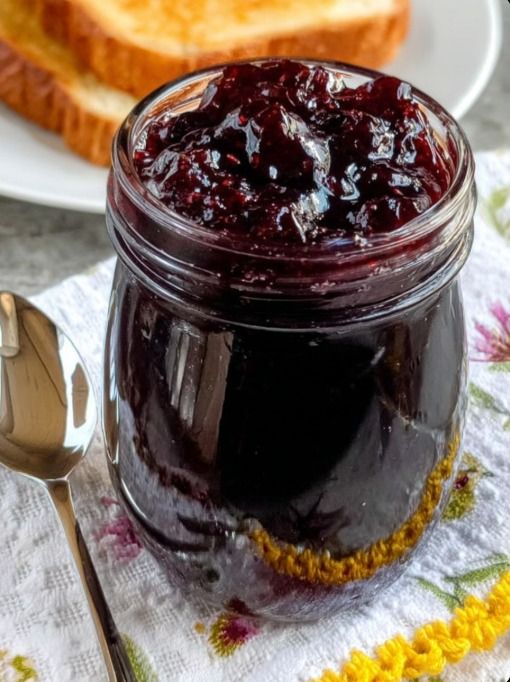
The result is a dark, thick, and intensely flavored spread that tastes like a cross between a rich apple butter and a spiced holiday cake.
The Historical Significance
Black butter has its roots in Jersey, where cider apples were once the island’s primary crop. In the 17th century, nearly 20% of Jersey’s arable land was covered in orchards. To preserve the harvest, the community developed this recipe as a way to use up the cider and the apples simultaneously.
The process was traditionally a social event:
- The Stirring: Because the mixture is so thick and high in sugar, it requires constant stirring to prevent burning.
- The Tradition: Neighbors would take turns at the “pel” (a long wooden stirrer), sharing stories, singing songs, and drinking cider throughout the night.
- The “Black” Color: The deep, obsidian hue comes from the long, slow caramelization of the cider and sugar, rather than any artificial coloring.
The Essential Ingredients
- Cider Apples: The base of the preserve.
- Sweet Apple Cider: Reduced down to a thick syrup before the fruit is even added.
- Sugar & Treacle: For sweetness and that signature dark color.
- Spices: Usually a warm blend of Liquorice, cinnamon, and allspice.
- Lemon & Orange Peel: To add a bright, citrusy acidity that cuts through the richness.
Modern Culinary Uses
While it was originally a simple spread for bread, modern chefs have rediscovered Black Butter as a versatile “culinary gem” in both sweet and savory applications:
1. The Savory Side
- Glazing Meats: It makes an incredible glaze for Southern Potluck Maple Dijon Pork Tenderloin or roast ham.
- Cheese Boards: Its deep acidity pairs perfectly with sharp cheddars or creamy bries.
2. The Sweet Side
- Baking: Use it as a filling for tarts, or swirl it into a Carrot Cake Sheet Cake batter for extra depth.
- Breakfast: Spread it over warm Dill Pickle Bread (for a tangy-sweet contrast) or stir it into morning oats.
A Simple “Kitchen Version” (Shortened Method)
While the traditional method takes 24+ hours, you can capture the essence at home using a slow cooker:
- Reduce: Simmer 2 liters of apple cider in a pot until it reduces by half.
- Combine: Place the reduced cider, 2 lbs of peeled/chopped apples, 1 cup of brown sugar, and 1 teaspoon of liquorice powder in a slow cooker.
- Slow Cook: Cook on LOW for 10–12 hours with the lid slightly ajar to allow moisture to escape.
- Finish: Once thick and dark, stir in lemon zest and cinnamon.
Conclusion
Black Butter is more than just a condiment; it is a preserved piece of history. Whether you enjoy it on a simple piece of toast or use it to elevate a complex roast, it brings a taste of old-world tradition to the modern table.
Have you ever tried this traditional preserve before, or are you interested in finding ways to incorporate its deep, spiced flavor into your current rotation of recipes?