Introduction
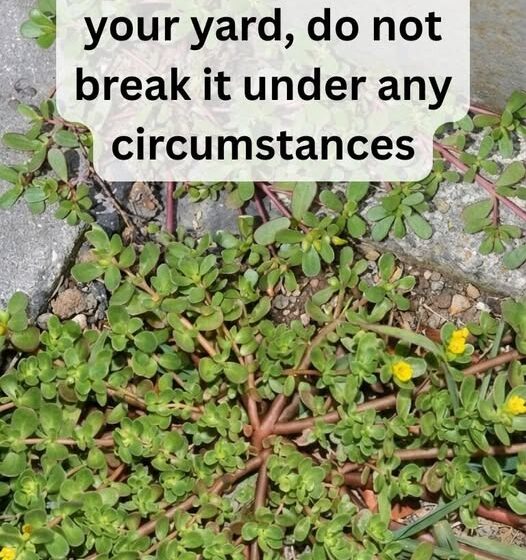
Many gardeners spend a lot of time pulling weeds from their gardens without realizing that some of those plants are actually incredibly beneficial. One of the most misunderstood plants is purslane. Often removed and discarded as a common weed, purslane is actually one of the most nutritious edible plants you can grow naturally in your yard.
With its small, thick leaves and reddish stems, purslane grows easily in gardens, sidewalks, and even cracks in the pavement. But what many people don’t know is that this humble plant is packed with nutrients, antioxidants, and health benefits. In fact, purslane has been used in traditional cooking and natural medicine for centuries around the world.
Before you pull it out of your garden, here are eight great reasons to leave purslane growing and start appreciating this powerful little plant.
1. Purslane Is Rich in Omega-3 Fatty Acids
One of the most surprising benefits of purslane is that it contains omega-3 fatty acids, which are usually found in fish and certain seeds. These healthy fats support heart health, reduce inflammation, and help maintain brain function.
Among leafy plants, purslane is considered one of the best natural sources of omega-3s.
2. It’s Packed With Essential Vitamins
Purslane contains a wide range of important vitamins, including:
- Vitamin A
- Vitamin C
- Vitamin E
- Several B vitamins
These nutrients help support immune health, skin health, and overall well-being.
3. It’s Full of Powerful Antioxidants
The plant also contains antioxidants such as beta-carotene and glutathione, which help protect the body from oxidative stress. Antioxidants are important because they help neutralize harmful free radicals in the body.
This can contribute to better long-term health and may support disease prevention.
4. Purslane Is Extremely Easy to Grow
Unlike many vegetables that require careful maintenance, purslane grows naturally with very little effort. It tolerates poor soil, heat, and drought conditions.
For gardeners, this means you get a nutritious edible plant without needing to plant or care for it.
5. It Helps Improve Soil Health
Purslane has deep roots that can help improve soil structure. The plant can also act as a natural ground cover, protecting soil from erosion and helping retain moisture.
Instead of harming your garden, it can actually support a healthier growing environment.
6. It’s Delicious and Edible
Purslane has a slightly lemony, tangy flavor and a crunchy texture. It can be used in many dishes, including:
- Fresh salads
- Stir-fries
- Sandwiches
- Soups
- Smoothies
Its crisp texture makes it a great addition to summer meals.
7. It May Support Heart Health
Because of its omega-3 content, antioxidants, and minerals such as potassium and magnesium, purslane may help support healthy blood pressure and cardiovascular function.
These nutrients are known to contribute to overall heart health when included as part of a balanced diet.
8. It Has Been Used in Traditional Medicine
For centuries, purslane has been used in traditional medicine in many cultures. Historically it has been used to help with:
- Inflammation
- Skin irritation
- Digestive support
- Minor wounds
Although modern research is still exploring its full benefits, its long history of use highlights its potential value.
Final Thoughts
Purslane may look like a simple weed, but it’s actually a nutritious, versatile, and beneficial plant that deserves a place in your garden. Instead of pulling it out, consider letting it grow and even adding it to your meals.
Sometimes the most valuable plants are the ones we overlook. By recognizing the benefits of purslane, you might discover that this “weed” is actually one of the healthiest plants growing right in your backyard.